
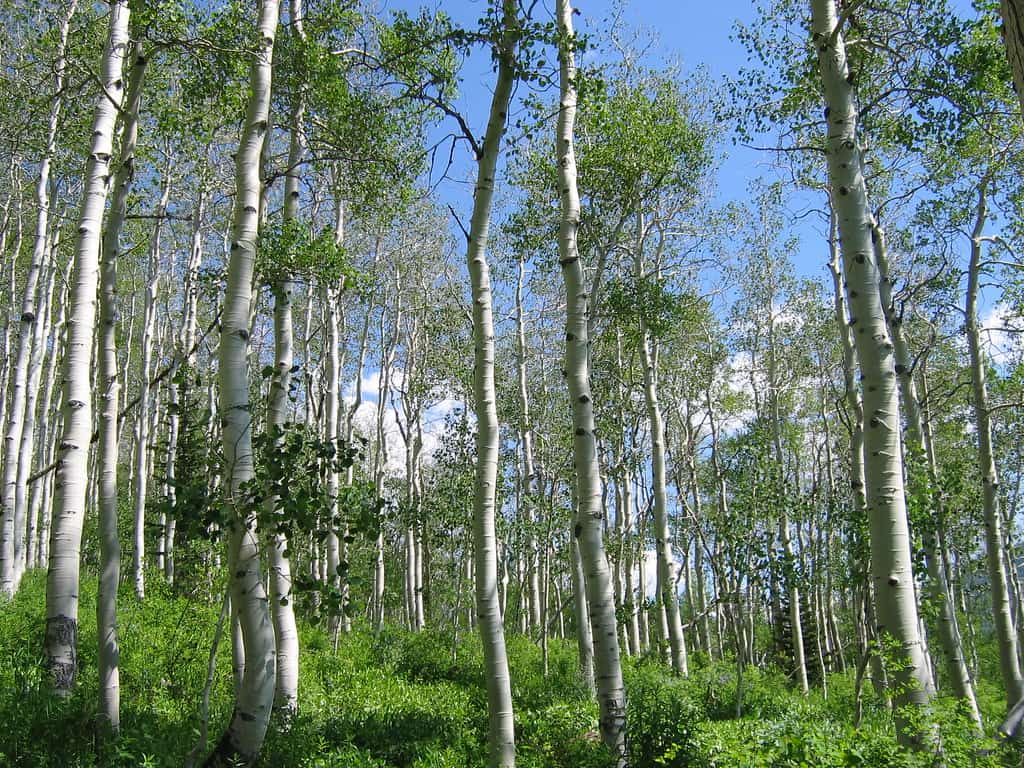
When you’re selecting firewood for your stove or fireplace, ash and birch consistently rank among the most popular choices in the UK. Both are excellent hardwoods with strong burning characteristics, but they each have distinct properties that make them suited to different burning needs. Understanding the difference between ash and birch wood will help you choose the right logs for your specific requirements.
The basics: ash and birch as firewood
Both ash and birch are classified as hardwoods, meaning they come from deciduous trees (i.e. trees that shed their leaves each winter) and are denser than softwoods like pine or spruce. This density translates directly into better burning performance: more heat output, longer burn times, and less frequent refuelling compared to softwood alternatives.
When properly seasoned or dried to a moisture content below 20%, both ash and birch make outstanding firewood choices. However, while they share many similarities, the subtle differences between them can influence which wood works best for your particular situation.
Density and heat output
The most significant difference between ash and birch lies in their density, which affects how they burn and how much heat they produce.
Ash is one of the densest hardwoods available in the UK. This density means ash logs burn slowly and steadily, releasing their heat gradually over an extended period. Ash produces excellent sustained heat output, making it ideal when you want consistent warmth over several hours without constantly adding fuel. Many people consider ash the gold standard for firewood precisely because of this reliable, long-lasting burn.
Birch is slightly less dense than ash, which means it ignites more easily and burns faster than ash, reaching high temperatures quickly. Birch produces intense heat rapidly, making it excellent for getting your stove or fire up to temperature when you first light it. The heat output per log is very good, though individual logs will burn through faster than equivalent-sized ash logs.
Ash vs birch: Burn characteristics and timing
How these woods burn makes them suited to different uses and times of day. Ash logs offer a sustained, longer burn that’s perfect for medium to extended use. If you’re lighting your fire for a 4-5 hour evening session, ash is an excellent choice. Load your stove with ash logs and you’ll get steady, reliable warmth throughout the evening without needing to refuel constantly. Ash is also superb for overnight burning in multi-fuel stoves when combined with smokeless coal – its slow, steady burn helps maintain heat through the night. You can learn more about mixing fuel types in our guide to cofiring.
Birch logs excel when you need heat quickly. The lower density means birch catches fire more readily and reaches optimal burning temperature faster than denser woods. This makes birch ideal for starting fires or for shorter burning periods when you want immediate warmth. However, you’ll need to add fuel more frequently with birch if you’re burning for extended periods, as individual logs are consumed more quickly than ash.
Smoke production
Both woods burn cleanly when properly dried, but there are slight differences worth noting.
Ash is renowned for producing minimal smoke, even when not fully seasoned (though you should always use properly dried wood). When dried to below 20% moisture content, ash burns extremely cleanly with very little smoke production. Ash also produces relatively little ash residue – a convenient characteristic given its name! – meaning less frequent cleaning of your stove or fireplace.
Birch produces slightly more smoke than ash, though when properly dried, it still burns very cleanly. The distinctive white bark of birch contains natural oils that can produce a pleasant aroma when burning. However, these same oils mean it’s particularly important that birch is properly seasoned – burning wet birch will produce considerably more smoke and tar buildup in your chimney.
Ease of splitting and handling
Practical considerations matter when you’re handling, storing, and preparing firewood. Ash has a relatively straight grain that splits cleanly and easily, even when not fully seasoned. Once seasoned, ash logs are straightforward to handle and stack efficiently.
Birch also splits reasonably well, though the wood can be slightly stringier than ash. The attractive white or silver bark makes birch logs visually appealing – many people appreciate the aesthetic quality of birch firewood stacked in their log store. However, birch bark can shed or flake off during handling, creating some minor mess.
Seasoning and moisture content
Both woods must be properly dried before burning, but they behave slightly differently during the seasoning process.
Ash seasons relatively quickly for a hardwood, typically requiring 12-18 months when air-dried from fresh-cut. Its relatively low initial moisture content and good splitting characteristics help it dry efficiently.
Birch can take slightly longer to season thoroughly – typically 18-24 months when air-dried – because the bark is relatively impermeable and can trap moisture inside the wood. This is why professionally kiln-dried birch is an excellent option, as the controlled drying process ensures the wood reaches optimal moisture content reliably.
Here at Four Seasons Fuel, our ash and birch logs are dried to a moisture content of less than 20%. This ensures you get clean-burning, efficient firewood that’s ready to use immediately.
Which should you choose?
Both ash and birch are excellent firewood choices, and many users find having both available is ideal. Choose ash if you:
- Want sustained, longer burn times
- Use your fire for extended evening sessions
- Prioritise minimal smoke production
- Need reliable overnight burning (especially with smokeless coal)
- Want to refuel less frequently
Choose birch if you:
- Need to get your fire hot quickly
- Want intense initial heat output
- Appreciate the attractive appearance of birch logs
- Are burning for shorter periods
- Want wood that ignites easily
You can use both together by:
- Starting your fire with birch for quick ignition and rapid heat
- Adding ash logs once established for sustained, long-lasting warmth
- This combination gives you the benefits of both wood types
Firewood: Quality matters more than wood type
No matter what type of firewood you choose, the single most important factor in how it performs will be its moisture content. Poorly seasoned ash will burn worse than properly dried birch, and vice versa.
All our hardwood logs are dried down to a moisture content of 15-20%, and are delivered to you cut to 250mm lengths, split and ready for use in your wood burner, multi-fuel stove, or open fireplace. Our logs deliver maximum heat efficiency and clean burning you can rely on.