
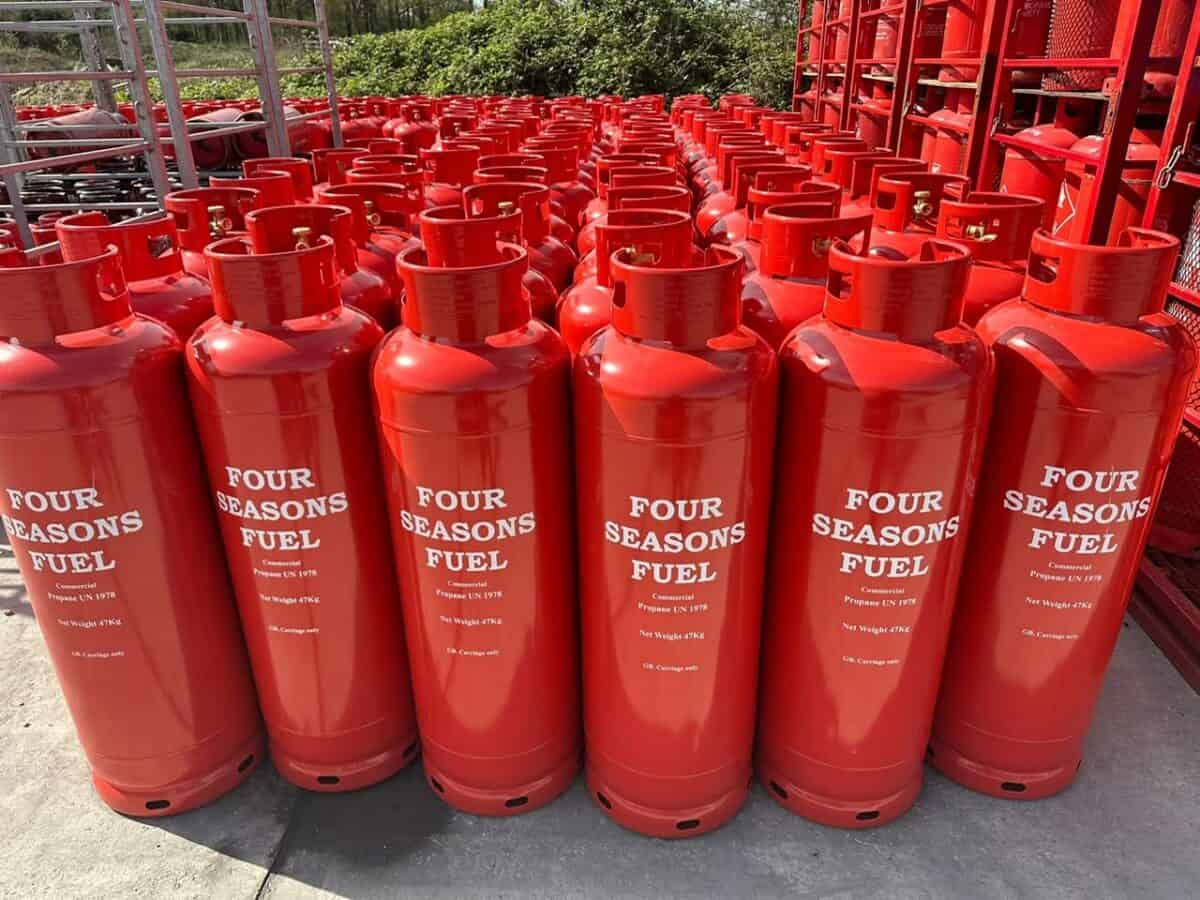
Transporting gas cylinders safely isn’t complicated, but it’s important to get it right. Whether you’re taking a spare bottle home for the weekend or delivering cylinders as part of your trade, a few sensible precautions are what stand between a routine trip and a real hazard.
Below, we’ve set out the key dos and don’ts, what to do if things go wrong, and answers to some of the questions we’re asked most – including whether gas cylinders can be transported lying down.
Essential tips for transporting gas cylinders safely
- Choose professional delivery where you can: Your supplier’s drivers do this every day, so let them handle the loading, restraining and unloading
- Match the vehicle to the job: If you do have to transport gas cylinders yourself, make sure you have the right type of vehicle – it needs to suit the size of the cylinder and meet the transport rules for the fuel you’re carrying. If you’re moving several cylinders at once, stay within the safe limit for a closed vehicle, which is 200kg of LPG. Check the latest guidance for anything larger
- Pick a well-ventilated vehicle: An estate car, or a van with an open load area, lets any leaked gas disperse instead of building up
- Keep trade deliveries in a ventilated compartment: Separated from the cab, but still open enough for air to circulate
- Make sure the cylinder stays upright: Straps or a proper holder keep it stable, and stop it rolling or toppling on the way. It’s tempting to skip this for a five-minute trip, but that’s exactly when accidents happen
- Close the valve and fit the outlet cap before you travel: This stops any accidental knocks opening the valve, and protects the connection point on the way
- Check the cylinder before you set off: Look and listen for hissing, smells or frost near the valve, and make sure the labels are intact
What not to do when transporting gas cylinders
- No smoking or naked flames near the cylinder: A single spark is all it takes to cause a dangerous situation
- Don’t touch a valve or regulator you suspect is faulty: Leave it alone and call your supplier instead
- Don’t leave the cylinder sitting in the vehicle once you’ve arrived at your destination: Heat builds up fast, and that raises the pressure inside
- Don’t overload the vehicle: Only carry as many cylinders as it’s rated to hold safely
- Don’t transport cylinders alongside other flammable items: Fuel cans, aerosols and similar goods raise the risk if there’s ever a leak
- Don’t count on your personal vehicle cover extending to work use: Check with your insurer if you’re carrying cylinders as part of your job
- Don’t assume an empty-looking cylinder is risk-free: It can still hold residual gas, so treat it the same as a full one
What to do if you suspect a leak on the road
If you ever smell gas or suspect a leak while you’re travelling, pull over somewhere open and away from other vehicles, buildings or ignition sources as soon as it’s safe. Turn off the engine and put out any cigarettes, then get everyone out of the vehicle and open the windows and doors to help the gas clear. After that, call us on our emergency number, or see our gas emergency guide for full guidance.
Transporting gas cylinders – FAQs
Can gas cylinders be transported lying down?
No – as a general rule, cylinders should always travel upright. Standing a cylinder on its base keeps the safety valve where it should be, above the liquid gas inside. Lay it on its side, and that liquid can reach the valve and vent, which isn’t what the valve is designed for.
If you’re ever tempted to lie a cylinder flat for a short trip, check with your supplier first. For most propane and butane cylinders, upright transport with a proper restraint is both the standard and the safest way to travel.
Is it illegal to transport gas cylinders in my car?
No – carrying a small number of cylinders for personal use is exempt from the UK’s dangerous goods rules, as long as you follow sensible precautions like the ones above.
Carrying cylinders for work falls under stricter rules, though small quantities are often exempt too – check the latest guidance if this applies to you.
Can I take a gas cylinder on public transport?
No, generally not – most rail and coach operators class gas cylinders as dangerous goods and don’t allow them on board, even if enforcement isn’t always consistent. If you don’t have a suitable vehicle of your own, it’s worth asking your supplier about delivery instead.
We stock a full range of gas cylinders and bottles, along with LPG equipment, so you have everything you need to store and transport your fuel with confidence. Browse our gas range or get in touch if you’d like a hand choosing the right cylinder.