
Whether you’re running a BBQ in the garden, firing up a camping stove, or keeping a patio heater going on a summer evening, one small component makes the whole thing work safely: the gas regulator. It’s easy to overlook – it sits between the cylinder and the appliance, doing its job quietly – but get it wrong and you’ll either get no gas at all, or you may accidentally create a dangerous situation.
This guide covers what a gas regulator does, the different types available, how to choose the right one for your setup, and the safety information you need to use LPG with confidence.
What does a gas regulator do?
A gas regulator’s job is to take the high pressure inside a gas cylinder, which can be anywhere from 2 to 10 bar, depending on the gas and temperature, and reduce it to the steady, lower working pressure your appliance is designed to use. Without it, the pressure coming out of the cylinder would be far too high for most appliances to handle safely, and it would fluctuate as the cylinder empties.
In simple terms, a regulator does two things:
- It reduces the pressure
- It keeps that pressure consistent
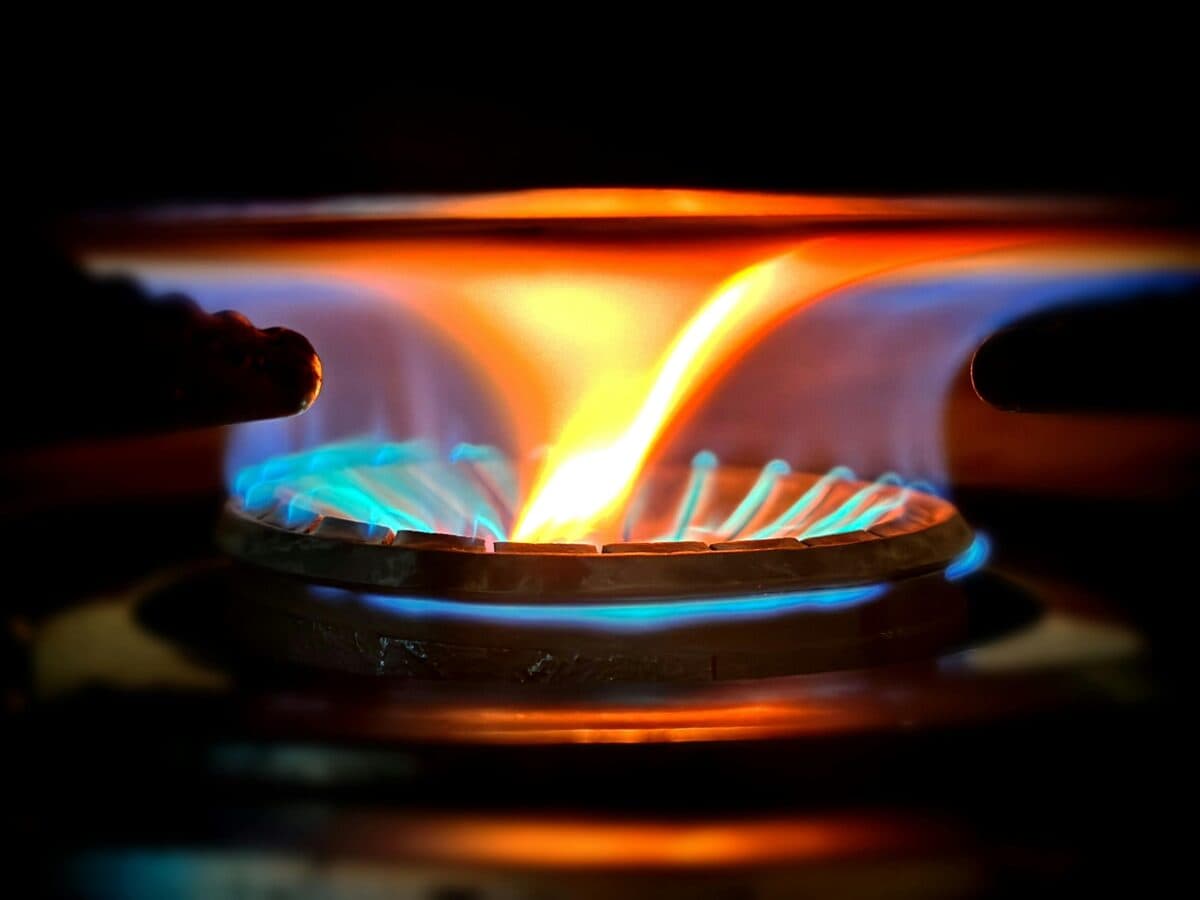
That steady output is what gives you an even flame rather than one that roars when the cylinder is full and fades as it empties.
One important point: A regulator is not a flow control valve. It doesn’t let you turn the gas up or down, that’s done on the appliance itself. The regulator’s only job is pressure management. It also doesn’t act as an emergency shut-off (although some specialist models include an Over-Pressure Shut-Off, or OPSO, device that cuts the supply if pressure rises above a safe level).
Understanding gas regulator pressure ratings
Regulators are rated for a specific output pressure, measured in millibar (mbar). The most common ratings for LPG in the UK are:
- 28 mbar: The standard operating pressure for butane appliances such as portable BBQs, indoor heaters and single-burner cookers
- 37 mbar: The standard for propane appliances, including patio heaters, larger BBQs and outdoor or commercial equipment
- 30 mbar: Used in caravan and motorhome systems that are designed to run on either gas type through a mixed-use regulator
Your appliance’s manual or data plate will tell you which pressure it needs. If it’s not on the plate, 28 mbar means butane and 37 mbar means propane. Always match the regulator’s output pressure to what your appliance specifies.
Types of gas regulators
Gas regulators come in several different styles, each matched to a particular cylinder valve type and gas. Here are the main types you’ll come across:
Clip-on regulators
These push directly onto the cylinder valve and lock into place with a collar – no tools needed. They’re quick to connect and disconnect, which makes them a popular choice for portable use.
- 21mm clip-on butane regulator (28 mbar) – fits standard butane cylinder valves, including most 13kg butane bottles. This is the most commonly used regulator for BBQs and portable heaters in the UK
- 27mm clip-on propane regulator (37 mbar) – fits the 27mm patio valve found on patio gas cylinders (typically green or red cylinders marketed for outdoor use). Common on modern BBQs and patio heaters
Screw-on regulators
These attach via a threaded connection and are typically used for larger propane cylinders or for setups where a more secure connection is needed. Some screw-on regulators have a hand-wheel for finger-tightening; others require a spanner.
- Screw-on propane regulator (37 mbar) – for larger propane bottles with a threaded valve. The standard choice for commercial-sized cylinders and fixed installations
- Hand-wheel propane regulator – a screw-on design that tightens by hand, making it easier to swap cylinders regularly without needing tools
- Screw-on butane regulator – for smaller butane camping cylinders with a threaded valve, commonly used with portable stoves and compact BBQs
Low-pressure regulators
Some appliances – particularly compact portable BBQs and certain catering equipment – operate at a lower pressure than the standard 28 or 37 mbar. Low-pressure butane and propane regulators are available for these applications. Check your appliance specifications before assuming a standard regulator will do.
Regulators with built-in gauges
Some clip-on and screw-on regulators come with a pressure gauge built into the body, giving you a visual indication of how much gas is left. They’re particularly useful on caravans, motorhomes and mobile catering setups where running out mid-use is a real inconvenience.
Changeover regulators
If you rely on gas for heating or cooking and can’t afford an interruption, a changeover regulator connects two cylinders at once and switches to the second when the first runs empty. There are two types:
- Manual changeover regulators: You switch between cylinders by hand when one runs out. Good for setups where you’re always nearby
- Automatic changeover regulators: Switch seamlessly to the reserve cylinder without any action needed. The better option for caravans, motorhomes and heating systems where you might not notice the changeover moment until it’s already happened
Many automatic changeover regulators also include an OPSO (Over-Pressure Shut-Off) device, which cuts the gas supply automatically if the pressure exceeds the safe operating range. This is an important safety feature for any fixed or semi-permanent installation.
Choosing the right gas regulator
Getting the right regulator comes down to three things: the gas type, the cylinder valve, and the operating pressure your appliance needs. Work through each in order:
- Identify your gas. Butane and propane have different valve fittings and pressure ratings. They are not interchangeable. Butane cylinders in the UK are typically blue; propane cylinders are red; patio gas is usually green. Never try to fit a butane regulator to a propane cylinder, or vice versa – the fittings won’t match by design.
- Match the valve type. Check whether your cylinder has a clip-on valve or a threaded (screw-on) valve. The valve type determines which regulator style you need. A 21mm clip-on regulator will not fit a 27mm patio valve, even if both are butane.
- Check the required output pressure. Look at your appliance’s data plate or manual. If it specifies 28 mbar, you need a butane regulator. If it says 37 mbar, you need propane. Caravan systems often use 30 mbar – use a regulator rated for that specifically.
If you’re replacing an existing regulator, the easiest approach is to take the old one with you, or note down the gas type, mbar rating and valve size, so you can match it directly. If you’re setting up something new, our team is happy to help you find the right combination.
A note on hoses: The regulator and hose need to be compatible with each other and with your appliance. Most regulators come without a hose, so check the nozzle diameter and thread type when buying a replacement. LPG hoses should comply with BS 3212 and be replaced every five years, or sooner if they show any signs of damage, stiffness or discolouration.
Gas regulator safety: what you need to know
Regulators are safety-critical components. Using the wrong one, fitting it incorrectly, or continuing to use a damaged regulator are among the most common causes of LPG incidents. Here’s what to bear in mind:
Before you connect:
- Check the rubber sealing washer inside the regulator before every use. If it looks cracked, flattened, perished or missing, replace the regulator – a damaged seal is a gas leak waiting to happen
- Inspect the hose for cracks, splits, stiffness or signs of abrasion. Damaged hoses should be replaced immediately
- Check the cylinder valve for corrosion or damaged threads. If anything looks suspect, don’t connect to it
- Make sure you’re working outdoors or in a well-ventilated space, away from any naked flame, spark or cigarette
Connecting and testing:
- With the appliance turned off and the cylinder valve closed, fit the regulator firmly. Clip-on types should click and lock into place. Screw-on types tighten clockwise (note: POL fittings used on some propane cylinders are left-hand threaded)
- Run the hose so it can’t be kinked, trodden on or routed near hot surfaces
- Do a leak test before you light anything. Apply a 50/50 mix of washing-up liquid and water to the connection between the regulator and cylinder, then slowly open the cylinder valve. If you see bubbles forming, there is a leak. Close the valve immediately, refit the connection, and test again
- Never use a flame to check for leaks
During and after use:
- When you’re done, always close the cylinder valve first. Let the appliance burn off the gas remaining in the hose before switching the appliance off. This avoids leaving a pressurised line overnight
- Never store cylinders indoors with a regulator still attached unless the system is fully sealed and in active use. In a residential setting, a regulator left connected to an indoor heater should be disconnected and the valve closed when the heater isn’t in use
- Keep the regulator dry and clean. Store it somewhere it won’t get knocked around or exposed to corrosive chemicals
When to replace your regulator
Regulators don’t last forever. As a general rule, replace your regulator when:
- It’s more than ten years old
- The seal or body shows signs of cracking, damage or corrosion
- You notice a smell of gas near the connection
- Your appliance flame is irregular or the output pressure seems unstable
- It has been dropped or physically damaged
Regulators are relatively inexpensive, so if you’re in any doubt, replacing it is always the right decision.
Find the right gas regulator for your needs
We stock a wide range of butane and propane gas regulators for BBQs, patio heaters, camping stoves, caravans, motorhomes and commercial applications. Whether you need a simple 21mm clip-on for a 13kg butane bottle or an automatic changeover regulator with OPSO for a caravan, we can point you to the right one.
Not sure which one you need? Get in touch and we’ll help you match the regulator to your cylinder, your appliance and your situation safely and without the guesswork.